Ford 6.0 Powerstroke Engine Repair
6.0L Powerstroke Turbo Diesel Inspection, Diagnostics and Repair by Certified Diesel Mechanics
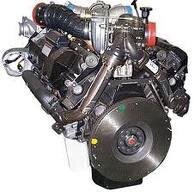
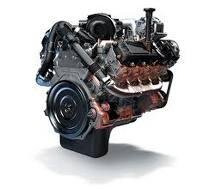
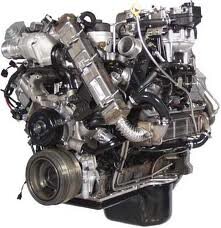
Common 6.0L Power Stroke Problems
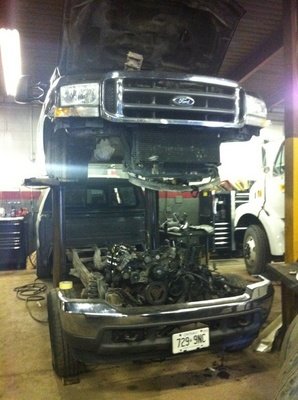
6.0L Power Stroke Problems and Consequences
The 6.0 liter Power Stroke is a great diesel, despite a bundle of issues that plagued many of the early engines. The 6.0 is powerful, durable, & reliable. There are more than enough satisfied 6.0L owners to back those statements up. However, some of the 6.0L components are prone to problems, especially when maintenance is neglected or the performance is increased by means of aftermarket components. When it comes to diesel engines, including the Ford 6.0L Powerstroke Turbo Diesel, always get the proper maintenance, inspections and repairs as scheduled by the manufacturer.
6.0L Power Stroke TTY Head Bolts
The 6.0L Power Stroke uses Torque to yield (TTY) head bolts to secure the cylinder heads. The stock TTY head bolts do a mediocre job of equalizing the clamping force of the head bolts. The head bolts are also much more prone to stretching than head studs, and under high cylinder pressures are prone to fail.
For a 6.0L that remains completely stock, the TTY head bolts are suitable. However, for modified engines or engines that are under constant load, the stock head bolts are a weak link in the 6.0L.
Garrett can replace your stock head bolts with stronger, more durable head bolts. Call us if you have any questions and want to get the upgraded head bolts installed in your 6.0 Powerstroke.
Additionally, the EGR system can cause high coolant temperatures or turbo overboost situations. High coolant temperatures may cause slight warping of the cylinder heads, which can lead to head bolt failures. Too much turbo boost can result in increased cylinder pressures and cause the TTY bolts to stretch. This causes blown head gaskets.
6.0L Power Stroke EGR (Exhaust Gas Recirculation)
The EGR coolers on the 6.0 liter Power Stroke are prone to clogging due to oil & soot build up, which can cause them to fail. A failed EGR cooler may contribute to high coolant temperatures or coolant loss. EGR valves are also notorious for failing due to soot build up, which can lead to over-boosting of the turbocharger. To prevent this, the EGR valve should be cleaned routinely.
Prevention Tips:
- Avoid excessive idling - reduces combustion temperatures and increases particulate production
- Use high-quality diesel fuel with minimum cetane level of 45
- Use Motorcraft fuel additive (recommended and verified safe by Ford)
- Clean EGR valve routinely
Excessive idling and poor fuel quality can clog the EGR valve rapidly. The efficiency of a diesel engine is reduced at idle due to low combustion temperatures, resulting in increased particulate production. Ford recommends a minimum diesel fuel cetane level of 45 for maximum quality. Motorcraft manufactures a fuel additive for the Power Stroke which is recommended and verified safe by Ford Motor Company.
Important Note: EGR valve issues are not necessarily a design flaw, but rather due to the nature of a diesel engine. EGR cooler issues are related to inadequate design. 2004+ EGR coolers are more prone to failure. 2003 coolers are round, while 2004+ EGR coolers are square (and longer than the 2003 cooler).
6.0L Power Stroke Turbocharger
The 6.0L Power Stroke is equipped with a variable geometry turbocharger (VGT). The 6.0L turbocharger is very efficient & provides quick spooling with plenty of airflow through peak RPM. However, the vanes of the VGT that control the displacement of the turbo are prone to sticking from soot build up.
Symptoms of Stuck Vanes:
- Sacrificed performance
- Excessive turbo lag
Quick Fix:
The vanes can often be cleared by operating at WOT (wide open throttle) for a short period of time, spinning the turbine to a high enough RPM to free the vanes of soot.
Additionally, the oil drain tube on early 6.0L Power Strokes is restrictive and can lead to turbocharger failure in some rare situations.
6.0L Oil Cooler Failure
Residual sand not removed during the casting process can clog the coolant side of the oil cooler. Old or sludgy oil can clog the oil side of the cooler. Failure can result in oil being introduced into the cooling system, or coolant overheating, which may result in serious engine damage.
Prevention Measures:
- Aftermarket coolant filters may prevent particulate from clogging the coolant side
- Use proper engine oil and change at recommended intervals
- Aftermarket bypass oil filters may also prevent problems
- Change engine coolant at recommended intervals (as recommended by Ford)
Critical Warning: Failure of the oil cooler has been related to head gasket failure. Address oil cooler issues immediately to prevent catastrophic engine damage.
Common 6.0L Issues Summary
Known Problem Areas:
- TTY Head Bolts (especially modified engines)
- EGR Cooler Clogging (2004+ models)
- VGT Turbo Vane Sticking
- Oil Cooler Failure
Prevention is Key:
- ✓Follow manufacturer maintenance schedule
- ✓Use high-quality diesel fuel (cetane 45+)
- ✓Minimize excessive idling
- ✓Regular inspections by certified mechanics
Expert 6.0L Powerstroke Service
Certified diesel mechanics ready to diagnose and repair your 6.0L Powerstroke
Call (248) 478-838224175 Industrial Park Dr., Farmington Hills, MI 48335
